Introduction
When confronted with a clinical emergency situation, understanding exactly how to respond can be the difference in between life and fatality. This is where understanding first aid procedures such as DRSABCD enters into play. Established by Australian first aid organizations, DRSABCD provides a structured technique to examining and handling emergency situations successfully.

In this comprehensive guide, we will explore each facet of the DRSABCD protocol carefully, discuss its relevance in first aid courses, and offer you with crucial understandings on just how to apply it in real-life situations. From CPR strategies to mental health and wellness first aid, our aim is to outfit you with the expertise needed for effective intervention.
What is DRSABCD?
DRSABCD represent Risk, Action, Send out for help, Air passage, Breathing, Circulation, and Defibrillation. Each step is crucial in establishing the suitable action throughout an emergency scenario.
- Danger: Always examine the scene for possible dangers prior to intervening. Response: Inspect if the individual is responsive by delicately shaking them and talking loudly. Send for help: If the individual is less competent or needs prompt aid, telephone call emergency situation services. Airway: Guarantee that the air passage is clear to promote regular breathing. Breathing: Analyze whether the individual is taking a breath normally. Circulation: Look for signs of flow like movement or pulse; if missing, start CPR. Defibrillation: If offered, use an Automated External Defibrillator (AED) as soon as possible.
Understanding DRSABCD: Your Lifesaving First Aid Protocol will not only improve your understanding but additionally encourage you to act confidently in emergencies.
Why Learn First Aid?
Importance of First Aid Training
First help training is important due to the fact that it prepares individuals to manage emergencies successfully. Whether it's a small injury or a serious circumstance such as heart attack calling for CPR (cardiopulmonary resuscitation), having educated workers can conserve lives.
Benefits of Taking a First Aid Course
Increased Confidence: Knowing exactly how to respond suitably minimizes panic during emergencies. Skill Development: Hands-on training instructs functional abilities that can be applied immediately. Certification Opportunities: Finishing an identified course often leads to certification which improves employability in lots of sectors.Types of First Aid Rushes Available
There are different types of first aid training courses tailored to particular demands:
- Standard First Aid CPR Training Mental Health First Aid Childcare First Aid Workplace Safety Programs (like Guidebook Handling)
Understanding Each Action of DRSABCD
1. Threat: Analyzing the Scene
Before rushing into any kind of scenario, ensure your security and that of others around you. Look out for:
- Traffic hazards Fire or smoke Electrical dangers Aggressive individuals
Tips for Ensuring Safety:
- Use care when approaching an incident scene. Wear individual safety tools if available.
2. Action: Checking Consciousness
To establish if an individual requires help:
Gently tremble their shoulders while noisally asking if they are okay. Observe their facial expressions and movements.What If They Are Unresponsive?
If they reveal no reaction:
- Call emergency situation services immediately.
3. Send out for Assistance: Calling Emergency Situation Services
When calling for aid:
Dial your regional emergency number (e.g., 000 in Australia). Provide clear details concerning your area and the nature of the emergency.
Key Details to Communicate:
|Details Needed|Instance|| -----------------------|--------------------------------|| Area|"Corner of King St and Main St"|| Nature of Emergency situation|"An individual has collapsed"|| Number of People Entailed|"One less competent grownup"|
4. Airway: Ensuring Respiratory Tract Is Clear
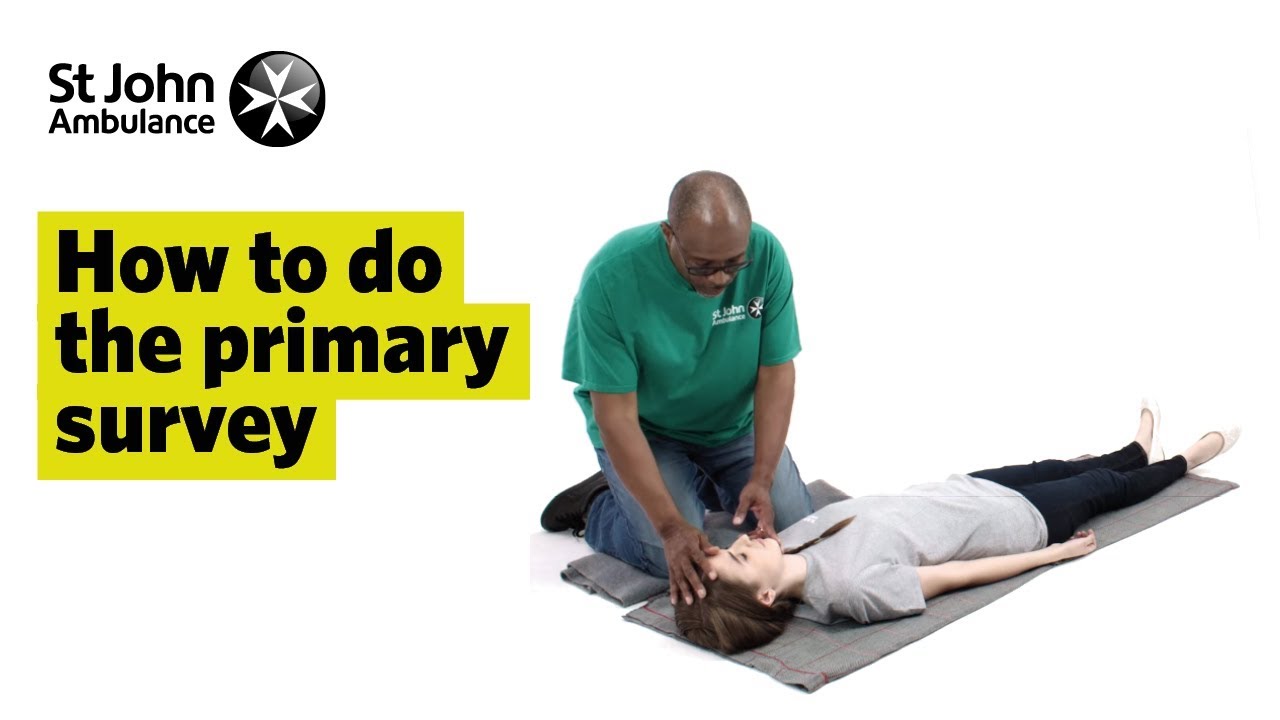
After assessing responsiveness:
Carefully turn their head back and lift their chin to open the airway. Remove any type of noticeable blockages like food or vomit.Remember:
Always examine the individual's mouth after opening up the air passage but do not execute blind finger sweeps unless you see something clearly lodged.
5. Breathing: Monitoring For Indicators Of Life
Once you've secured an open air passage:
Look for breast increase and fall. Listen closely for breath sounds or feel for breath on your cheek.What If They Are Not Breathing?
If breathing has quit or Home page appears abnormal:
Begin CPR immediately!6. Blood Circulation: Executing CPR
Cardiopulmonary Resuscitation (CPR) involves two vital elements:
Chest Compressions Rescue Breaths (if trained)Follow these actions:
Chest Compressions
Place heel of one hand on facility of breast; location various other hand on top. Press down hard and fast at a price of 100-- 120 compressions per minute.Rescue Breaths
Only carry out rescue breaths if educated:
After every 30 compressions, offer 2 rescue breaths. Each breath should last regarding one 2nd-- watch for chest rise.7. Defibrillation: Making Use Of an AED
Automated Outside Defibrillators (AEDs) are essential throughout heart attacks:
Turn on the AED and adhere to voice prompts. Attach pads as suggested-- one over appropriate nipple area and one listed below left armpit.Important Notes Regarding AEDs
AEDs are created for laypersons; they analyze heart rhythm automatically and just encourage shock when necessary.
Mental Health First Aid: An Important Component
While first aid certificate physical injuries dominate conversations around first aid courses, mental health emergency situations need equal attention.
Understanding Mental Wellness Emergencies
Mental wellness crises can manifest as anxiety strikes, suicidal ideas, or severe state of mind disorders affecting behavior dramatically.
How Can You Help?
Providing psychological wellness first aid includes:
Listening nonjudgmentally Encouraging expert help Offering reassurance yet staying clear of clichés like "just comfort."Common Circumstances Where DRSABCD Applies
Understanding how DRSABCD applies across different circumstances can enhance its relevance in real-life situations.
Scenario 1: Cardiac Arrest
This circumstance exhibits why understanding DRSABCD is crucial-- reacting swiftly can dramatically boost survival rates through prompt application of CPR and defibrillation making use of an AED.
Scenario 2: Choking Incidents
In situations where someone appears not able to take a breath as a result of choking:
Apply back impacts complied with by stomach drives while adhering to steps detailed under DRSABCD until help gets here or obstruction clears.
FAQs Concerning DRSABCD Protocol
Q1: For how long does a first aid certification last?
A: Normally lasts 3 years prior to requiring revival with refresher courses such as HLTAID011 Provide First Aid training courses provided across the country including alternatives near me like 'first aid training course sydney' etc, depending upon place preferences!
Q2: Can anybody take a first aid course?
A: Definitely! Courses are readily available from newbie levels up via progressed training fit also in the direction of specialized areas like child care first-aid classes!
Q3: What does CPR stand for?
A: Cardiopulmonary Resuscitation-- a lifesaving treatment performed when a person's heartbeat stops!
Q4: Is mental health first aid covered under conventional training?

Q5: How do I locate a first aid course near me?
A: Merely search online making use of terms like "first aid program near me" along with particular areas such as "first aid course brisbane" producing various options customized towards geographic needs/preferences detailed throughout several systems advertising education chances in your area available!
Q6: What's consisted of in standard life support?
A: Standard Life Assistance commonly includes procedures ranging from assessment checks described previously under DRSABCD with useful applications entailing compression strategies based upon standards established by companies like Red Cross/other approved institutions giving accreditations pertinent throughout multiple setups consisting of workplaces/schools/community occasions etc, strengthening knowledge retention better enhancing total readiness degrees within neighborhoods therefore improving public safety and security standards!
Conclusion
Understanding DRSABCD isn't nearly memorizing steps; it has to do with growing a mindset geared in the direction of preparedness that could ultimately conserve lives! By dedicating time toward finding out these principles through accredited sources supplying thorough programs-- whether online formats/even hands-on trainings offered often within various neighborhoods-- you encourage yourself not only with important skills however also contribute positively towards building more secure atmospheres anywhere they may be required most! So why wait? Enroll today!
By integrating both conventional physical reactions along with arising fads surrounding psychological wellness into academic frameworks bordering public safety and security initiatives-- we promote better strength among populaces while supporting healthier societies altogether!